Brutalism. The word itself is jarring. Which is the point.
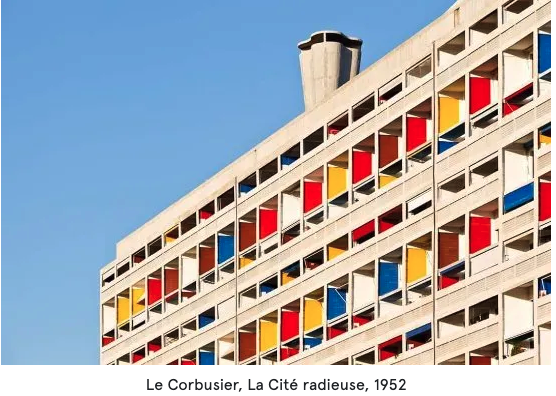
Brutalism is a mid-20th-century architectural style known for its massive, blocky forms and exposed, raw building materials—most notably unfinished concrete, known as béton brut. The movement began after World War II in the 1950s as a practical and ethical response to widespread urban destruction, severe material shortages, and a massive demand for public infrastructure.
And Neo-Brutalism is experiencing a major cultural moment, fueled by a human counter-movement against standard AI aesthetics.
Generative AI has a House Style: It’s competent, pleasant and instantly forgettable.
Ask for an image, a landing page, or a logo and you tend to get the same thing: smooth gradients, soft lighting, balanced composition, and a faint gloss over everything. It is competent, pleasant, and instantly forgettable.
Imperfection is the backlash against AI. This is the neo-brutalist aesthetic and it’s spreading.
So it’s not surprising that designers and artists are heading the other way, toward hard edges, default fonts, visible grids, clashing colors, and interfaces that look like they were assembled with a hammer. Imperfection is the backlash against AI. This is the neo-brutalist aesthetic, and it is spreading.
(Ironically, brutalist architechture happens to photograph exceptionally well and translates perfectly into AI datasets. Using AI layout assistants, designers are favoring raw, stark, functional interfaces over the glossy, gradient-heavy designs of the past. It seems the AI backlash of neo-brutalism is morphing into the thing it desires to be different from. Only time will tell how that pans out.)
Neo-Brutalism’s Core Values are an Answer to AI’s Core Weaknesses
Visible process: A brutalist artwork shows how it was made, from the formwork marks in the concrete to the barely seen sketch marks in a painting.
Deliberate imperfection: Awkward spacing and harsh contrast signal that a human made a choice. Imperfection becomes proof of authorship.
Refusal to please: AI models are optimized toward the average of what people like. Brutalism is willing to be ugly, which is exactly what an averaging machine can’t easily do on purpose.
Authenticity as a signal: When anyone can generate a beautiful image in seconds, beauty no longer shows effort or intent. Roughness does a better job of that, which is why a work that looks hand-built now reads as a statement of trust.
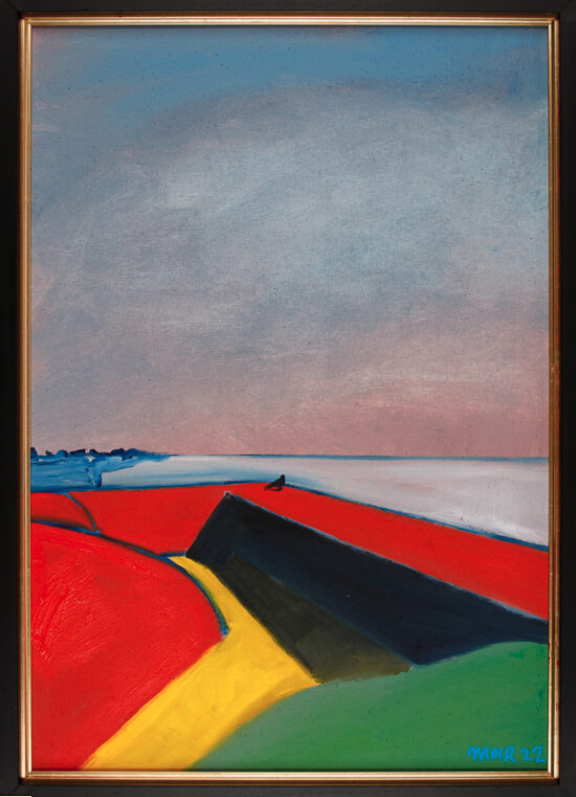
The complication: The obvious problem is that brutalism can be imitated too. An AI model can generate “brutalist” layouts on request, and some already do. Once rawness becomes a style preset, it risks becoming the same gloss in a different costume. The movement’s honesty only holds if the roughness comes from real decisions rather than a prompt. That tension may be the most interesting part of the story, because it suggests the backlash can’t be won by aesthetics alone. It will depend on provenance, process, and whether audiences can tell the difference.
It’s All About Honest Creation
In a world of effortless smoothness, the rough edge has become a way of saying that something was made, not merely produced. Neo-Brutalism, at its core, is about honesty: show the structure, hide nothing, refuse decoration that has no purpose. Original art embraces and exemplifies that same personal ideal by sheer virtue of its imperfect, made-by-hand uniqueness. Original art says: A person was here, and they meant it.
Hey there! Did you know that our cute-as-a-button charming little town, Auburn, California, has its own home-grown “brutalist” artist? If you’ve ever driven through Auburn, you’ve probably even seen his work, here and there. Introducing Dr. Ken Fox. Not only was he a visionary, accomplished artist (and dentist!) he was also a man of many accomplishments and has a reputation of having been an exemplary human being. Click here to see some of his larger-than-life iconic sculptures made from concrete. See more of his amazing work here.
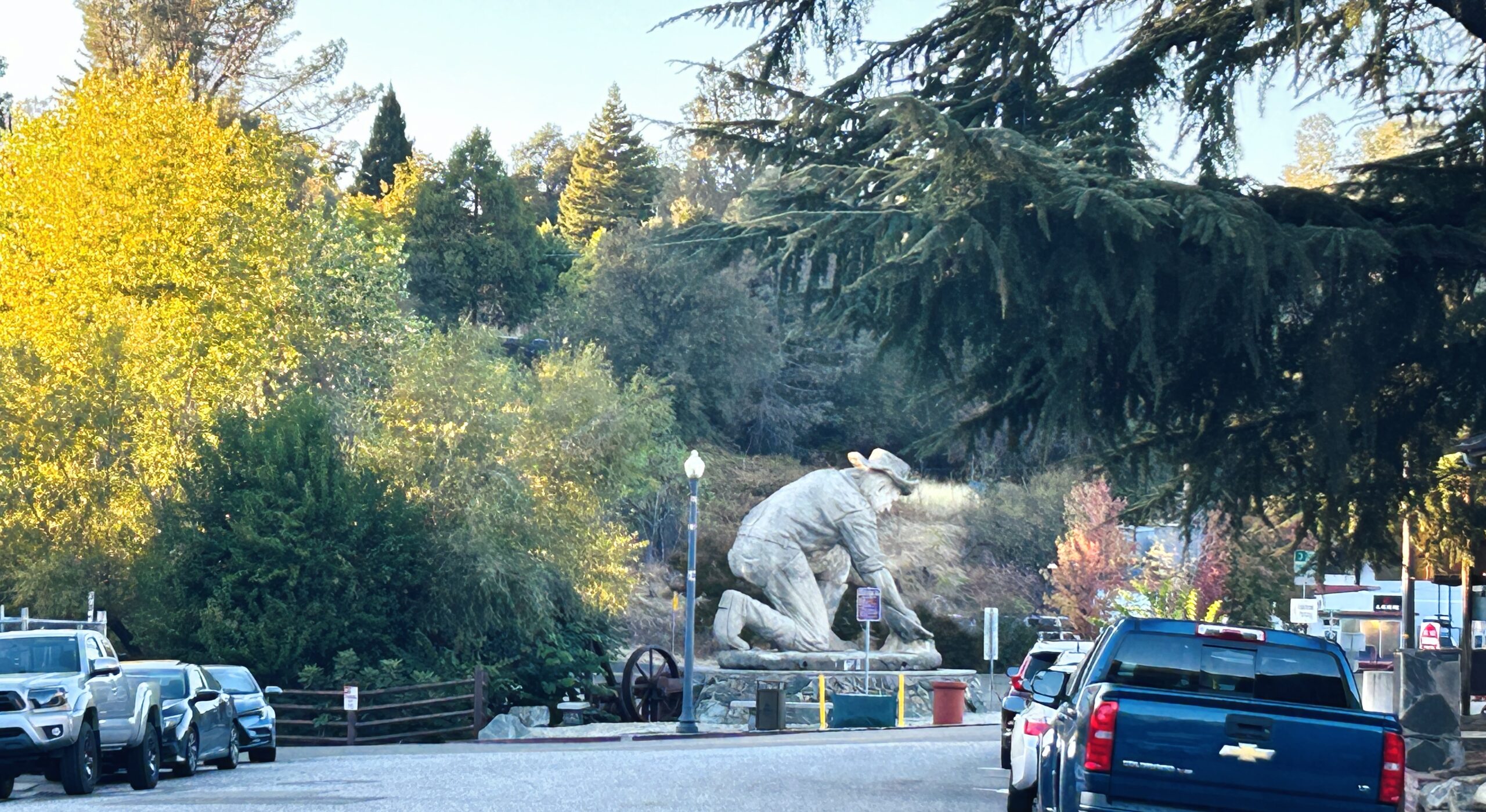
And not far from Auburn Old Town Gallery, you can view this monolithic sculpture by Dr. Fox: