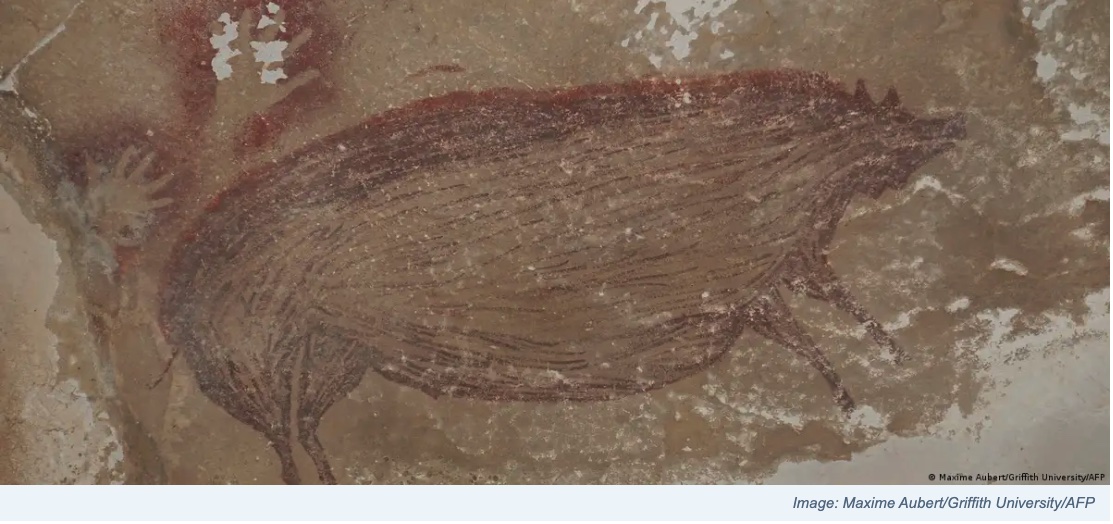
Since the dawn of human existence, animal forms on cave walls were the first art images ever recorded. In fact, the oldest cave drawing of an animal was recently discovered in Sulawesi, Indonesia and is a whopping 67,800 years old! This precedes European cave wall art by 15,000 years. From this we now know that ancient human creativity didn’t happen in a single place and it wasn’t just confined to ice age Europe. Instead, this uniquely human yearning to express ideas of behavior, storytelling, rituals, spiritual symbols, place and identity used animal forms on cave walls and was a world-wide phenomenon.
Today that yearning to express is more alive than ever, and it’s no wonder that animals still dominate artistic subject matter. They are the ultimate metaphor. Afterall, our fellow animals have been with us since the start. We share a planet together. We admire the wild, unselfconscious beauty of animals, which show us a mirror of what we ourselves once were before human self awareness became a thing. In our journey to the top of the food chain we used animals to get us to where we are now, as transportation, protection and sustenance. Without these fellow earthly inhabitants, we would not exist. Moreover, though we might believe that as humans we are separate from animals, we are, in fact, animals ourselves.
Animals and humans have an intimate, shared history. Through animals we see ourselves and they provide an anchor of our existence in time. The proof of their inextricable link to our existence is found in our exaltation of their form in artistic expression. In short, the animal was the first muse for aspiring caveman artists. Looking back in time, here’s how it rolls out:
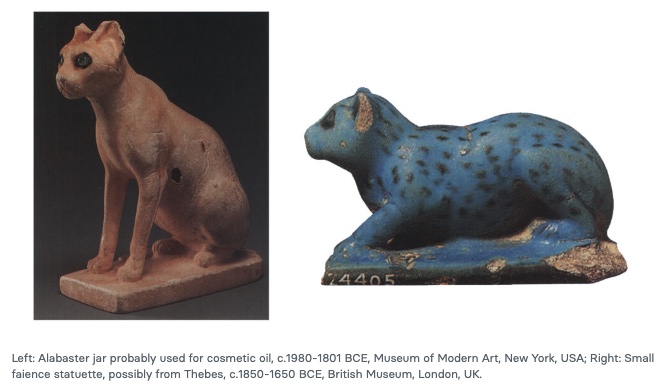
Prehistoric (up to 400 CE): (1) Cave paintings of animals and humans are found on cave walls as much as 68,000 years ago. (2) Ancient Egypt revered animals as gods with distinct symbolic traits and are seen in tomb paintings and sculptures. (3) Classical Antiquity: Greek and Roman art used animals in mythology to represent allegorical meaning.
Iron Age/Viking (400-1100CE): Northern European metalwork and jewelry featured stylized predators like wolves, eagles, boars and ravens.

Medieval (1100 – 1400 CE): Religious symbols, like doves, are used to represent certain virtues alongside mythical beasts like griffins and unicorns. These animal renderings are largely whimsical and anatomically inaccurate.
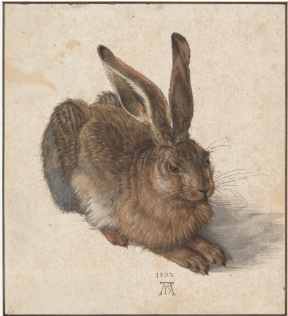
Renaissance (1400 – 1800s): The Age of Discovery and the rise of natural science led artists to meticulously document anatomy. Animals in art commonly represented human virtues, status and fidelity.
19th Century to Today: 19th Century animal art is marked by accurate and powerful portrayals of farm animals and wildlife. Two examples are Rosa Bonheur with her accurate depiction of farm animals and James Audubon’s detailed watercolors of birds.
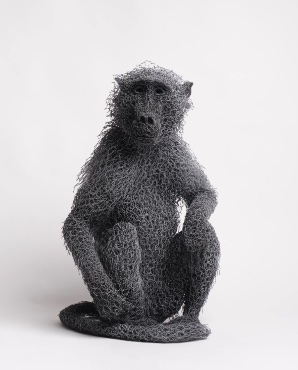
Today: Examples of today’s contemporary work include artists like Kendra Haste, who makes lifelike and life size sculptures of animals using galvanized wire mesh (Seated Baboon). Her work is marked by an emotional essence without sentimentality or anthropomorphism.
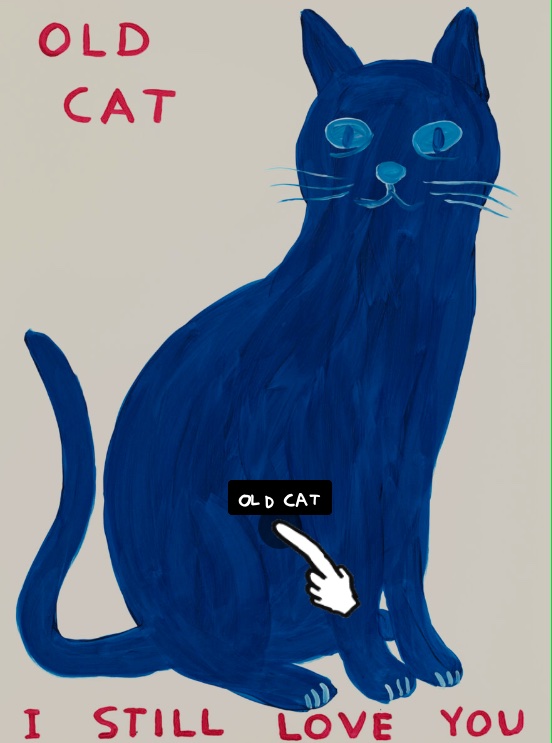
Likewise, another modern day example is printmaker David Shrigley, known for his signature crude line drawings, bittersweet humor and schoolboy lettering.
As you can see, animals have played a monumental role in art throughout the ages and are still a much used focus in today’s art. That being said, be sure to visit Auburn Old Town Gallery to take a look at this month’s Feature Wall which is all about—you guessed it—animal art. Now that you know a bit more about how animals and art are connected, you can have fun making up your own stories and distinctions about all the animal art on our Feature Wall, done up in a variety of mediums and styles by our talented local artists.
-Michelle Magnus Brown, August 2026